

IT Management SaaS: A Comprehensive Guide to Understanding and Optimizing Your Software Ecosystem
From Foundational Concepts to Strategic Leadership and Future Trends
In an increasingly digital world, the backbone of almost every successful enterprise isn't just its people, but the intricate web of software powering their daily operations.
Are you grappling with the complexities of managing a sprawling portfolio of applications, striving to ensure efficiency, security, and optimal performance across your entire IT landscape?
Explore the full spectrum of IT Management SaaS, from its core meaning to strategic implementation and the essential role of the professionals who champion its effective deployment.
The modern business landscape is inextricably linked to technology, and at the heart of this connection lies software. Gone are the days when companies exclusively relied on cumbersome, on-premise applications requiring significant upfront investment and dedicated maintenance teams. The advent and widespread adoption of Software as a Service (SaaS) have fundamentally reshaped how organizations acquire, deploy, and manage their IT resources. SaaS meaning, at its simplest, refers to a software licensing and delivery model in which software is licensed on a subscription basis and is centrally hosted in the cloud.
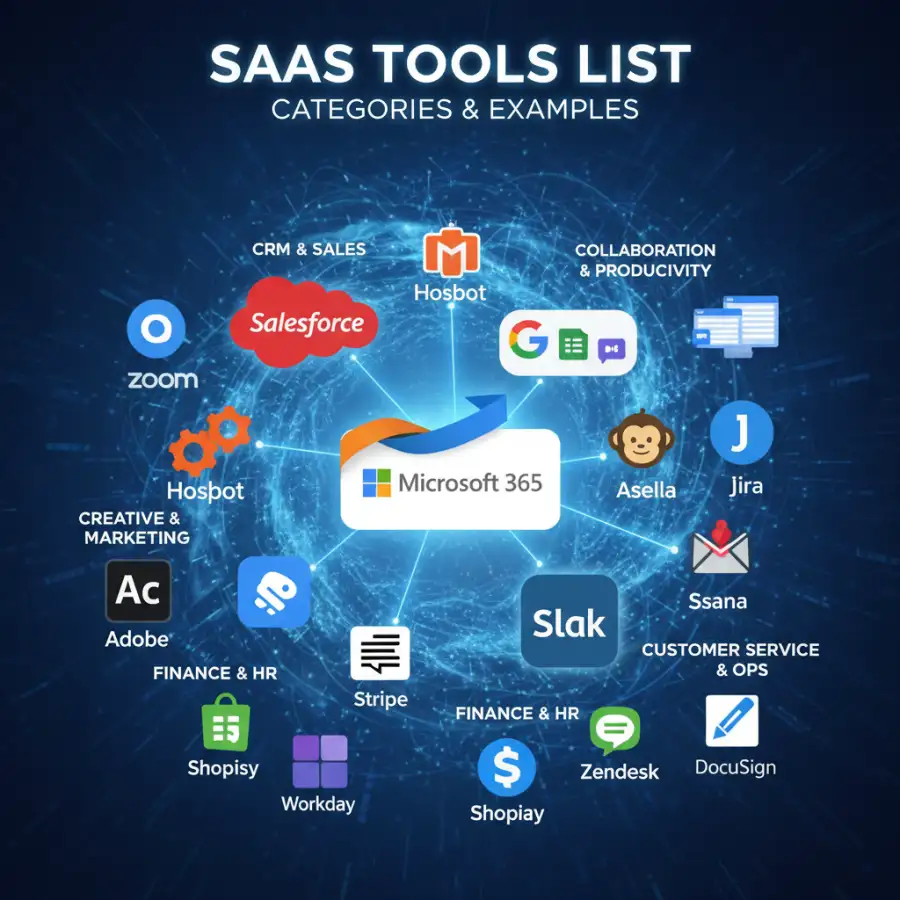
This shift has profound implications for IT management. Instead of owning software, businesses now subscribe to it, accessing applications over the internet. This model offers great benefits but also introduces new layers of complexity, making effective IT Management SaaS a critical discipline. This comprehensive guide will lead you through the fundamental concepts of SaaS, examine the strategic practices of SaaS management, explore the evolving role and career path of a SaaS Manager (including salary expectations and training), and highlight key SaaS tools and emerging trends, including the impact of AI, all designed to provide you with a deep understanding of this transformative technology.
Quick navigation
- Understanding SaaS: The Foundation of Modern IT
- The Evolution of IT Management and SaaS
- Key Benefits and Challenges of IT Management SaaS
- The Role of a SaaS Manager: Skills, Responsibilities, Career Path
- Strategic SaaS Management Practices for Optimization
- What this means for you
- Risks, trade-offs, and blind spots
- Main points
Understanding SaaS: The Foundation of Modern IT
To fully understand the significance of IT Management SaaS, we must first firmly establish the core understanding of SaaS itself. Software as a Service, or SaaS, is a revolutionary way to deliver applications. Instead of buying software and installing it on your own servers or computers, you simply access it over the internet, typically through a web browser. The software vendor hosts and maintains the application, managing all the underlying infrastructure, from servers and operating systems to databases and networking. But what exactly does this model mean for businesses, and why has it become the default for so many?
The "SaaS meaning" is defined by several key characteristics:
- Cloud-Based: The application and its data reside in the cloud, accessible from anywhere with an internet connection.
- Subscription Model: Users typically pay a recurring fee (monthly or annually) to use the software, rather than a large upfront licensing cost.
- Vendor Management: The SaaS provider is responsible for all updates, patches, maintenance, and security of the application.
- Multi-Tenancy: A single instance of the software application serves multiple customers (tenants), though each customer's data remains isolated and secure.
- Scalability: Cloud infrastructure allows for easy scaling of resources to meet user demand, without requiring the customer to purchase additional hardware.
This model stands in stark contrast to traditional on-premise software. With on-premise solutions, businesses are fully responsible for purchasing, installing, managing, and maintaining all hardware, software, and infrastructure. This requires significant capital expenditure, dedicated IT staff, and ongoing operational costs. Conversely, SaaS shifts much of this burden to the vendor.
Think of it like this: owning a car (on-premise) versus subscribing to a car-sharing service (SaaS). With your own car, you pay for the purchase, insurance, maintenance, and fuel. With a car-sharing service, you pay a recurring fee and only for the time you use it, with the service provider handling maintenance and other overheads. This analogy highlights the fundamental appeal of SaaS: reduced capital outlay, predictable operational expenses, and freeing up internal resources from managing infrastructure to focusing on core business objectives. It's a paradigm shift that has made sophisticated software accessible to businesses of all sizes, democratizing technology in an unprecedented way.
The Evolution of IT Management and SaaS
The landscape of IT management has undergone a significant transformation, driven largely by the widespread influence of SaaS. What started as basic technical support has evolved into a strategic function, and SaaS has been both a catalyst and a beneficiary of this evolution. How has the shift to cloud-delivered software fundamentally reshaped the challenges and opportunities for IT professionals?
In the early days of computing, IT management was largely about managing physical hardware, installing software from discs, and maintaining on-premise servers. Issues were localized, and control was complete, though resource-intensive. With the internet's rise, client-server architectures introduced new complexities, but the software remained largely tethered to physical infrastructure.
SaaS began its journey offering niche applications, primarily in areas like CRM (e.g., Salesforce) and HR. Its initial appeal was its lower upfront cost, faster deployment, and reduced IT overhead. As broadband internet became widespread and cloud infrastructure matured, SaaS offerings expanded rapidly, encompassing virtually every business function imaginable, from ERP and accounting to project management and communication tools. This rapid growth led to several key changes in IT management:
- Decentralization of Software Procurement: Business units often started adopting SaaS applications independently, leading to a rise in "shadow IT" and a loss of central oversight.
- Focus Shift from Infrastructure to Integration: IT teams spent less time racking servers and more time integrating diverse SaaS applications, managing data flows, and ensuring seamless user experiences.
- Emphasis on Vendor Management: IT's role expanded to include managing relationships with multiple SaaS vendors, negotiating contracts, and ensuring service level agreements (SLAs) were met.
- Rise of Software Asset Management (SAM) for SaaS: Tracking subscriptions, licenses, and usage across dozens, if not hundreds, of applications became a new, critical challenge.
Today, IT Management SaaS refers not only to managing your portfolio of cloud-based applications but also to the very tools IT professionals use to do their jobs. Modern IT Service Management (ITSM), IT Operations Management (ITOM), and Cybersecurity solutions are themselves delivered as SaaS. This creates a fascinating recursive dynamic: SaaS is the technology being managed, and SaaS is often the technology used to manage it.
This evolution highlights the strategic importance of IT management. It's no longer just about keeping the lights on; it's about leveraging a dynamic ecosystem of cloud-based software to drive innovation, enhance productivity, and secure the business in an increasingly interconnected world. The tools and skills required have transformed, demanding a more strategic, business-focused approach from IT professionals than ever before.
Key Benefits and Challenges of IT Management SaaS
The widespread adoption of IT Management SaaS isn't accidental; it's driven by strong benefits that address many challenges of traditional IT. However, like any powerful technology, it also introduces its own unique set of challenges that organizations must actively manage. Do the advantages consistently outweigh the new complexities, or do some businesses find themselves struggling with the shift?
Key Benefits of IT Management SaaS:
- Reduced Upfront Costs: Eliminates large capital expenditures for software licenses and hardware, replacing them with predictable operational expenses (subscriptions). This makes sophisticated tools accessible to smaller businesses.
- Scalability and Flexibility: Easily scale services up or down based on business needs, without investing in additional infrastructure. SaaS solutions are inherently flexible, adapting to growing user bases or changing requirements.
- Automatic Updates and Maintenance: Vendors handle all software updates, patches, and infrastructure maintenance, freeing up internal IT resources to focus on strategic initiatives rather than routine upkeep.
- Anywhere, Anytime Access: Cloud-based delivery means users can access applications and data from any device, anywhere, fostering remote work and collaboration.
- Faster Deployment: SaaS applications can be provisioned and deployed much faster than on-premise solutions, accelerating time-to-value for new tools.
- Enhanced Security (Often): Reputable SaaS vendors typically invest heavily in state-of-the-art security infrastructure and expertise, often exceeding what individual businesses can afford in-house.
Key Challenges of IT Management SaaS:
- Data Security and Privacy Concerns: While vendors invest heavily, placing sensitive data on third-party servers requires trust and due diligence. Ensuring compliance with various data protection regulations (e.g., GDPR, HIPAA) becomes a shared responsibility.
- Vendor Lock-in: Deep integration with a specific SaaS platform can make it difficult and costly to switch providers later, creating dependency on a single vendor.
- Integration Complexities: Managing an ecosystem of many different SaaS applications often leads to challenges in integrating them seamlessly, ensuring data flows correctly between systems.
- Loss of Control and Customization: Businesses have less direct control over the underlying infrastructure and often face limitations in customizing SaaS applications compared to on-premise software.
- Internet Dependency: SaaS applications require a stable internet connection. Outages can lead to productivity loss.
- Cost Creep and "SaaS Sprawl": The ease of adopting SaaS can lead to an explosion of subscriptions across departments (SaaS sprawl), resulting in redundant tools, underutilized licenses, and escalating costs if not actively managed.
- Performance and Reliability: Performance is dependent on the vendor's infrastructure and network, which is outside the customer's direct control.
Ultimately, the successful adoption of IT Management SaaS depends on a clear understanding of both its powerful advantages and its inherent complexities. Proactive management and strategic oversight are essential to harness the benefits while mitigating the risks.
The Role of a SaaS Manager: Skills, Responsibilities, Career Path
With the rapid growth of SaaS applications across businesses, an important new role has emerged: the SaaS Manager (sometimes called SaaS Operations Manager, SaaS Administrator, or Cloud Application Manager). This position is vital for optimizing software investments, ensuring compliance, and maximizing user productivity in a cloud-first world. How does this specialized role differ from traditional IT management, and what does it take to excel in this increasingly in-demand career path?
Responsibilities of a SaaS Manager:
- Software License Management (SLM): Tracking all SaaS subscriptions, licenses, renewal dates, and usage patterns to prevent overspending and ensure compliance.
- Vendor Relationship Management: Acting as the primary contact with SaaS providers, negotiating contracts, managing renewals, and ensuring service level agreements (SLAs) are met.
- Cost Optimization: Identifying opportunities to reduce SaaS spend by eliminating redundant applications, reclaiming unused licenses, and negotiating better terms.
- User Provisioning and Deprovisioning: Managing user access to various SaaS applications, ensuring new employees have the right tools and former employees' access is revoked quickly for security.
- Integration Management: Overseeing the integration of SaaS applications with other internal systems and ensuring seamless data flow.
- Security and Compliance: Working with IT security teams to ensure SaaS applications comply with company policies and regulatory requirements, managing access controls and data privacy.
- User Adoption and Training: Promoting effective use of SaaS tools within the organization, providing support, and identifying training needs.
- Application Rationalization: Identifying redundant or underutilized SaaS applications and making recommendations for consolidation or retirement.
- Reporting and Analytics: Generating reports on SaaS usage, spend, and performance to inform strategic decisions.
Key Skills for a Successful SaaS Manager:
- Technical Understanding: A strong understanding of cloud technologies, APIs, security principles, and IT infrastructure.
- Financial Management: Expertise in budgeting, cost analysis, contract negotiation, and ROI calculation.
- Communication and Interpersonal Skills: Ability to effectively communicate with vendors, IT teams, business stakeholders, and end-users.
- Analytical Skills: Capacity to analyze usage data, identify trends, and make data-driven recommendations.
- Project Management: For overseeing implementations, integrations, and application updates.
- Problem-Solving: Ability to troubleshoot issues related to SaaS access, performance, or integration.
Career Path and Salary:
The career path for a SaaS Manager is relatively new but rapidly growing. Many professionals transition from roles in IT operations, software asset management, procurement, or business analysis. Relevant certifications in ITIL, cloud platforms (AWS, Azure), or specific SaaS management tools can enhance career prospects.
Salary expectations for a SaaS Manager vary significantly based on location, company size, industry, and experience. Entry-level positions might start around $60,000-$80,000 annually. Experienced SaaS Managers with a proven track record in larger organizations or specialized industries can earn salaries ranging from $100,000 to $150,000+, with senior or director-level roles potentially exceeding $180,000. The demand for these roles is projected to grow as businesses continue their cloud migration and seek to optimize their SaaS investments.
This role is at the intersection of IT, finance, and business strategy, making it a dynamic and impactful career choice for those looking to shape the future of organizational software utilization.
Strategic SaaS Management Practices for Optimization
Effective IT Management SaaS extends far beyond simply subscribing to applications. It demands a strategic, proactive approach to ensure that every cloud-based tool contributes positively to the business, rather than becoming a source of cost drain or security vulnerability. How can organizations implement practices that not only manage but truly optimize their sprawling SaaS ecosystems, turning potential chaos into a competitive advantage?
Implement a Centralized SaaS Discovery and Inventory System
The first step in effective SaaS management is knowing what you have. Utilize specialized SaaS management platforms or discovery tools to identify all SaaS applications in use across the organization, including those acquired by individual departments (shadow IT). Maintain a centralized, up-to-date inventory of all subscriptions, users, costs, and contracts. You cannot manage what you do not know exists.
Establish Clear Procurement and Onboarding Policies
To combat SaaS sprawl, implement clear policies for the procurement of new SaaS applications. Require all new subscriptions to go through a central approval process, involving IT, finance, and security. Standardize onboarding and offboarding procedures for users, ensuring proper provisioning of access for new hires and timely deprovisioning for departing employees.
Monitor Usage and Performance Metrics
Regularly monitor key metrics for each SaaS application: active users, login frequency, feature utilization, and overall performance. This data helps identify underutilized licenses that can be reclaimed, redundant applications that can be consolidated, and performance bottlenecks that need addressing with vendors. Are you truly getting your money's worth from every subscription, or are valuable features lying dormant?
Automate Routine Management Tasks
Utilize automation capabilities within your SaaS management platform (or through integration with ITSM tools) for routine tasks such as user provisioning, deprovisioning, access reviews, and renewal alerts. Automation reduces manual errors, saves IT staff time, and enhances security by ensuring timely access changes.
Regularly Review Vendor Contracts and SLAs
SaaS contracts are dynamic. Periodically review your agreements with vendors, especially before renewals. Negotiate terms, pricing, and service level agreements (SLAs) based on your current usage and future needs. Ensure that vendors are consistently meeting their promised performance and uptime targets.
Prioritize Security and Compliance
Work closely with your cybersecurity and compliance teams to ensure all SaaS applications meet organizational security standards and regulatory requirements. This includes managing single sign-on (SSO), multi-factor authentication (MFA), data encryption, and conducting regular security audits of vendor practices. Don't assume the vendor handles everything; it's a shared responsibility model.
Foster a Culture of SaaS Awareness
Educate employees on proper SaaS usage, security best practices, and the importance of adhering to procurement policies. Encourage them to report new applications or usage patterns. A knowledgeable workforce is the first line of defense against security risks and inefficient spending.
By integrating these strategic practices, organizations can move beyond simply reacting to their SaaS environment to proactively optimizing it, extracting maximum value from their software investments while minimizing risks.
What this means for you
For individuals and organizations alike, the growing world of IT Management SaaS presents both great opportunities and complex challenges. Understanding its implications is essential for navigating the modern digital landscape effectively. What specific actions can you take, whether you're a business leader or an aspiring IT professional, to thrive in this cloud-driven era?
For Business Leaders and Decision-Makers:
- Strategic Investment: View IT Management SaaS not as a mere IT expense, but as a strategic investment that can drive efficiency, innovation, and competitive advantage. Prioritize solutions that align with your core business objectives.
- Centralized Oversight: Implement robust SaaS management practices to gain visibility into your entire software ecosystem. This includes establishing clear procurement policies and utilizing dedicated SaaS management platforms to prevent sprawl and optimize spend.
- Empower Your SaaS Manager: Recognize the important role of a SaaS Manager or equivalent. Invest in their training, tools, and give them the authority to optimize your SaaS portfolio. Their expertise directly impacts your bottom line and security posture.
- Security and Compliance as Priority: Ensure your organization conducts thorough due diligence on SaaS vendor security and compliance. Implement shared responsibility models and strong access controls to protect sensitive data.
For IT Professionals and Aspiring SaaS Managers:
- Develop Core Competencies: Develop a strong understanding of cloud technologies, data governance, security principles, and financial analysis. These are the pillars of effective SaaS management.
- Develop Soft Skills: Strong communication, negotiation, and stakeholder management skills are important for interacting with vendors, business units, and executive leadership.
- Seek Specialized Training: Pursue certifications in cloud platforms (AWS, Azure, GCP), IT service management (ITIL), or specific SaaS management tools. These credentials demonstrate expertise and enhance career prospects.
- Embrace Automation: Learn to use automation tools and scripting to streamline routine SaaS management tasks, increasing efficiency and reducing manual errors.
- Stay Current with Trends: Stay current with emerging SaaS trends, particularly the integration of AI and machine learning, to anticipate future challenges and opportunities.
Whether you're steering a company's digital strategy or building a career in IT, a deep engagement with IT Management SaaS means embracing continuous learning, strategic thinking, and a proactive approach to technology. This commitment ensures that software remains an enabler, not an impediment, to progress.
Risks, trade-offs, and blind spots
The journey through the SaaS landscape, while promising, is not without its inherent complexities, hidden costs, and potential missteps. Businesses often fall victim to blind spots that can undermine the very benefits they seek to gain. Are you truly prepared for the inevitable challenges that arise when scaling a SaaS ecosystem, or are you operating under assumptions that might prove costly?
SaaS Sprawl and Uncontrolled Costs
The ease of adopting SaaS can lead to "SaaS sprawl," where departments or even individual employees procure applications without central oversight. This results in redundant tools, underutilized licenses, and escalating, unmanaged subscription costs. The trade-off for quick deployment is often a loss of financial control if not actively managed.
Data Security and Governance Blind Spots
While SaaS vendors typically offer robust security, the responsibility for data governance is shared. A blind spot often occurs when organizations assume the vendor handles all aspects of security, overlooking their own role in configuring access controls, managing user identities, and ensuring data residency compliance. Inadequate due diligence on vendor security practices is a significant risk.
Integration Fatigue and Data Silos
As the number of SaaS applications grows, so does the challenge of integrating them effectively. Manual integrations are prone to error, and a lack of proper API management can lead to integration fatigue. This creates data silos, preventing a unified view of business operations and hindering analytical insights, negating the collaborative benefits of cloud services.
Vendor Lock-in and Exit Strategy
Deeply embedding a SaaS solution into core business processes can lead to vendor lock-in, making it difficult and expensive to switch providers later. This is a critical trade-off for the convenience of an all-in-one platform. Many businesses overlook developing a comprehensive exit strategy, including data portability and migration plans, when initially adopting a SaaS solution.
Performance Dependencies
The performance and availability of SaaS applications are largely dependent on the vendor's infrastructure and network, as well as your own internet connection. This creates a dependency outside your direct control. Unexpected outages or slow performance can disrupt business operations, highlighting the trade-off between convenience and direct control over infrastructure.
Underutilization of Features
Companies often pay for feature-rich SaaS solutions but only utilize a fraction of their capabilities. This blind spot leads to wasted expenditure. It stems from insufficient training, poor onboarding, or a lack of understanding of the software's full potential, meaning the investment doesn't yield its maximum possible return.
Proactive management, continuous auditing, and a critical evaluation of these potential risks and trade-offs are essential for maximizing the value of IT Management SaaS and safeguarding your organization's digital future.

Main points
The realm of IT Management SaaS is not just a technological trend; it's a fundamental shift in how businesses operate, manage resources, and plan for the future. Embracing this shift with clarity and strategy is paramount for sustained success. Here are the main takeaways to guide your understanding and approach:
- SaaS Defined: SaaS (Software as a Service) delivers cloud-hosted applications via a subscription model, shifting the burden of infrastructure management to vendors.
- IT's Evolving Role: IT management has transformed from hardware focus to strategic SaaS integration, vendor relationship management, and optimizing a complex software ecosystem.
- Benefits & Challenges: SaaS offers reduced costs, scalability, and automatic updates but introduces challenges like data security concerns, vendor lock-in, and integration complexities.
- The SaaS Manager: This critical role oversees SaaS lifecycle, cost optimization, security, and user adoption, requiring a blend of technical, financial, and interpersonal skills.
- Strategic Management: Effective SaaS management involves centralized inventory, clear procurement policies, usage monitoring, automation, and continuous contract review to maximize value.
- Mitigate Risks: Be vigilant about SaaS sprawl, data security blind spots, integration fatigue, and vendor lock-in to prevent hidden costs and operational disruptions.
- Future Trends: The integration of AI and advanced analytics will further enhance SaaS management, offering predictive insights and greater automation.
- Continuous Learning: For both organizations and individuals, staying informed and adapting to new SaaS developments is crucial for leveraging this technology effectively.
By fully understanding IT Management SaaS, developing specialized talent, and implementing strategic management practices, businesses can confidently navigate their digital transformation, ensuring their software ecosystem is not just managed, but truly optimized for future growth and innovation.