

Choosing the Best Online Learning Platform: A Deep Dive into Your Digital Education Journey
Discover how to select the perfect online learning platform, whether you're a student, professional, or lifelong learner.
Lost in a sea of online courses and platforms? Finding the right fit is crucial for developing your full learning potential.
From cloud services to personalized learning paths, the best online learning platform isn't a 'one-size-fits-all' solution. What truly drives your educational quest?
Whether you're aiming for a degree, a new skill, or just curious exploration, a strategic approach to platform selection makes all the difference.
The digital revolution has fundamentally reshaped how we learn, bringing education directly to our fingertips. With an explosion of options, identifying the best online learning platform can feel like navigating a complex maze. This comprehensive guide aims to illuminate the path, helping you understand the technical aspects of these platforms, compare various offerings tailored for different user groups – from K-12 students and university learners to businesses and certification seekers – and ultimately, gain clear criteria to make an informed decision. Our goal is to empower you to select the online learning platform or class that perfectly aligns with your specific educational or professional development goals, ensuring your digital education journey is productive and rewarding.
Quick navigation
- The Technical Backbone: Understanding Online Learning Infrastructure
- Platforms for Every Learner: Students, Professionals, and Beyond
- Comparing the Giants: Key Features and Offerings
- How to Choose Your Ideal Online Learning Platform
- What this means for you
- Risks, trade-offs, and blind spots
- Main points
The Technical Backbone: Understanding Online Learning Infrastructure
Behind every seamless online course and interactive lesson lies a robust technological infrastructure. Understanding these technical underpinnings, particularly cloud service types, can help you appreciate the capabilities and limitations of various platforms.
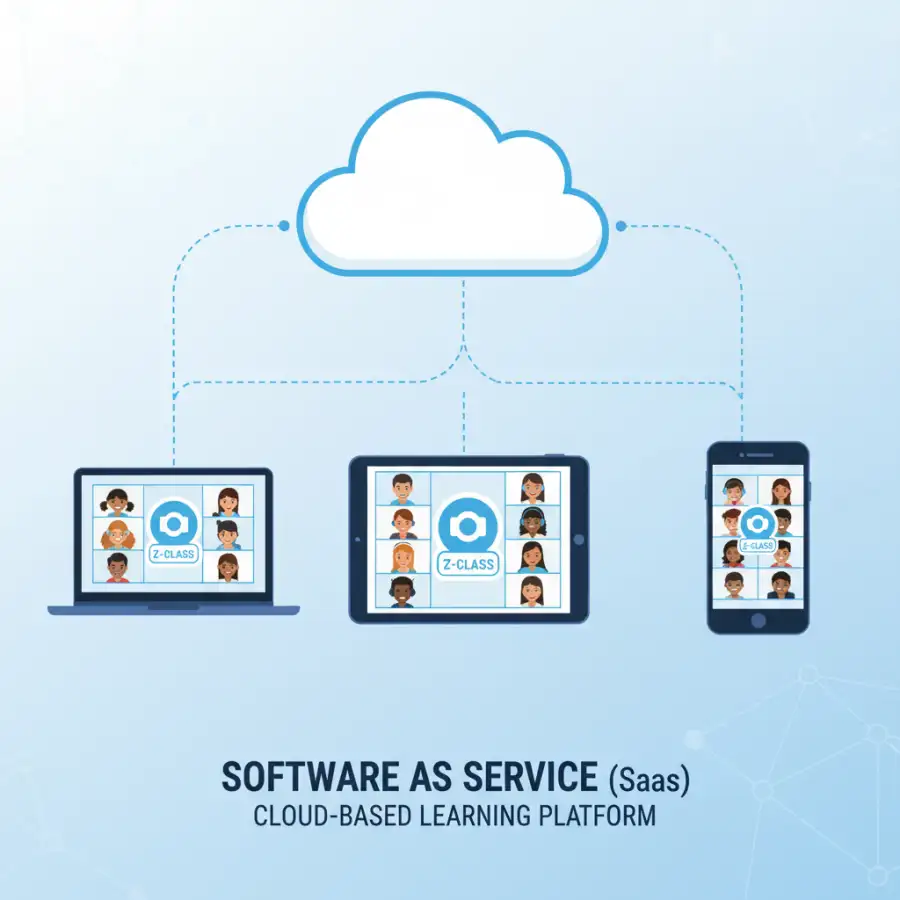
Software as a Service (SaaS) in EdTech
Most modern online learning platforms operate on a Software as a Service (SaaS) model. This means the provider hosts the software and all its data on their servers and makes it available to users over the internet, typically via a web browser or mobile app. Examples include widely used Learning Management Systems (LMS) like Canvas, Blackboard, Moodle, and specific course platforms like Coursera or edX. Users don't need to install or maintain any software, making access straightforward and updates automatic. This model simplifies deployment for institutions and access for students, but also means customization options can be limited to what the provider offers. Does this level of abstraction from the underlying technology create any blind spots for users?
Platform as a Service (PaaS) and Infrastructure as a Service (IaaS)
While end-users primarily interact with SaaS platforms, the companies developing and hosting these platforms often rely on Platform as a Service (PaaS) or Infrastructure as a Service (IaaS) providers. PaaS offers a development environment, while IaaS provides virtualized computing resources (servers, storage, networking). For instance, an online university might use AWS (IaaS) to host their custom-built LMS, which they developed using a PaaS framework. This deeper technical layer is responsible for scalability, data security, and overall performance, ensuring that thousands of users can access courses simultaneously without glitches. The stability and responsiveness of the platform you choose are directly tied to the underlying cloud infrastructure.
Data Security and Privacy Concerns
Given the vast amounts of personal and academic data processed by online learning platforms, data security and privacy are paramount. Reputable platforms employ robust encryption, multi-factor authentication, and adhere to global data protection regulations (like GDPR or FERPA). The cloud services they utilize also come with their own security protocols. As a user, it's crucial to understand a platform's privacy policy and security measures. Are you comfortable with how your personal data is being handled and protected?
Invisible Power: The sophistication of an online learning platform often stems from its cloud infrastructure. While you may not see it, this backbone ensures your virtual classroom is reliable, secure, and ready to scale.
Understanding these technical layers provides insight into why certain platforms excel in performance, security, and integration. While you don't need to be a cloud architect, recognizing the importance of these foundations can help you appreciate the stability and capabilities of your chosen learning environment.
Platforms for Every Learner: Students, Professionals, and Beyond
The diversity of online learning platforms means there's a solution for almost every educational need and demographic. Identifying the right category for your goals is the first step.
For University Students (K-12 and Higher Education)
Traditional academic institutions, from K-12 schools to universities, typically rely on comprehensive Learning Management Systems (LMS) like Canvas, Blackboard, and Moodle. These platforms are designed for structured courses, grade management, assignments, quizzes, and communication tools for faculty and students. They often integrate with institutional databases and student information systems, providing a cohesive academic experience. For those considering a full degree, understanding why a college degree still beats no degree at all can frame the importance of these robust platforms.
For Professional Development and Skill Acquisition
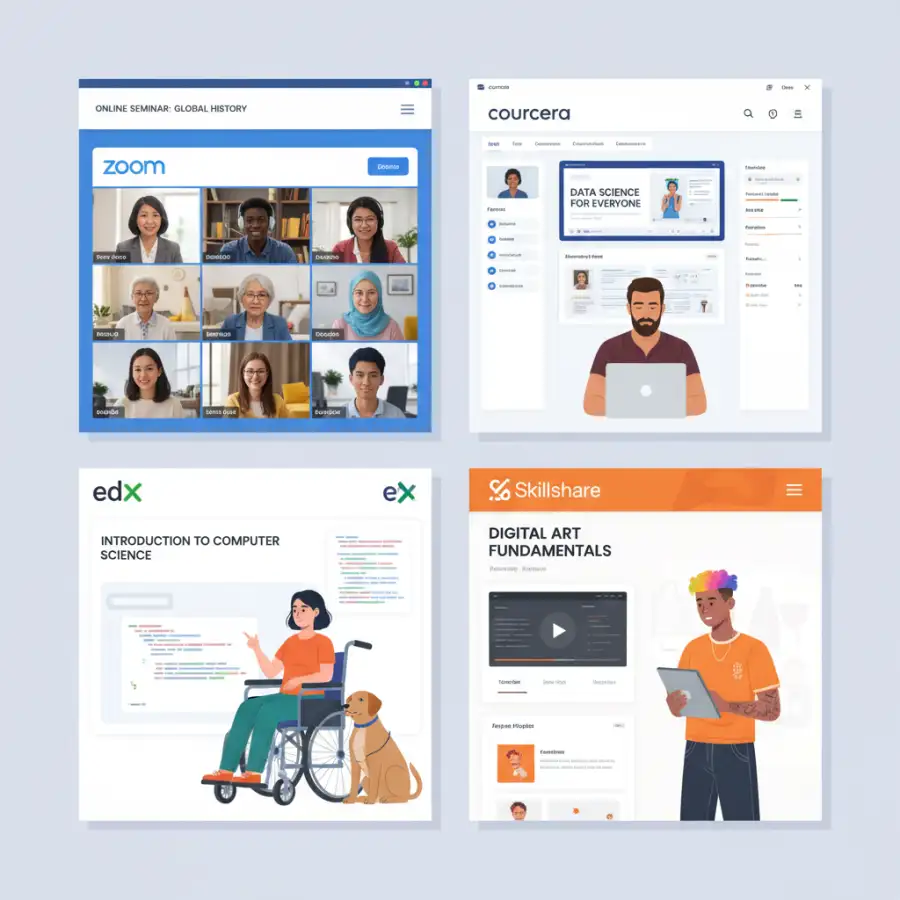
Platforms like Coursera, edX, Udemy, LinkedIn Learning, and Pluralsight cater to professionals seeking to upgrade skills, learn new technologies, or pivot careers. They offer a wide range of courses, specializations, and professional certificates, often in partnership with leading universities and companies. These platforms are typically self-paced, project-based, and focus on practical application. They're ideal for targeted learning without the commitment of a full degree program.
For Certification Seekers
Many industries require specific certifications for career advancement or entry. Platforms like Google's Career Certificates, CompTIA, and others offer structured pathways to acquire these valuable credentials. These programs are highly focused, often culminating in an exam, and are designed to equip learners with industry-recognized qualifications. For a deeper dive into specialized credentials, exploring online education certifications can reveal a world of targeted skill development.
For Kids and K-12 Enrichment
Platforms such as ABCmouse, Khan Academy Kids, and various educational apps target younger learners with engaging, gamified content. These often focus on foundational skills in reading, math, and science. For older K-12 students, platforms like Khan Academy offer supplementary learning resources, test preparation, and advanced subject matter. These platforms prioritize interactive content and age-appropriate pedagogy.
For Corporate Training and Employee Upskilling
Businesses increasingly use platforms like Cornerstone OnDemand, Workday Learning, and internal LMS solutions to train employees, ensure compliance, and foster continuous professional development. These platforms often feature custom content creation tools, robust tracking and reporting, and integration with HR systems. The goal is to enhance workforce skills and organizational knowledge efficiently.
Comparing the Giants: Key Features and Offerings
Once you've identified your learner type, it's time to compare some of the leading platforms. Each has its strengths, ideal for different learning styles and goals.
Coursera and edX: University-Quality Courses and Specializations
- Strengths: Partner with top universities and companies, offering high-quality courses, specializations, and even full online degrees. Strong academic rigor, peer-reviewed assignments.
- Best For: University-level learning, professional certificates from reputable institutions, degree completion.
- Cost: Freemium model (audit courses for free, pay for certificates/degrees).
Udemy: Vast Course Library, Instructor-Driven Content
- Strengths: Enormous library of courses on almost any topic imaginable, taught by independent instructors. Often practical, skill-focused content.
- Best For: Learning specific skills quickly, exploring hobbies, supplementary professional development.
- Cost: Pay-per-course model, frequent sales.
LinkedIn Learning: Business and Creative Skills, Integrated with Professional Network
- Strengths: High-quality courses focused on business, technology, and creative skills, often with industry experts. Seamless integration with LinkedIn profiles for showcasing achievements.
- Best For: Professionals seeking career advancement, skill-building for job roles, integrating learning with networking.
- Cost: Subscription-based.
Khan Academy: Free, Comprehensive K-12 and Early College Content
- Strengths: Absolutely free, comprehensive resources for K-12 subjects, SAT/ACT prep, and early college courses. Adaptive learning technology.
- Best For: Supplementary learning for K-12, test preparation, foundational knowledge building, accessible education for all.
- Cost: Free.

MasterClass: Expert-Led Courses on Niche Skills
- Strengths: Learn from world-renowned experts in various fields (e.g., cooking with Gordon Ramsay, writing with Margaret Atwood). High production value.
- Best For: Inspirational learning, exploring creative pursuits, gaining insights from masters.
- Cost: Annual subscription.
This comparison highlights that the "best" platform is subjective, depending entirely on your individual learning objectives, budget, and preferred style of engagement. Each platform brings its own unique strengths to the table, and many learners find value in utilizing a combination of platforms for different needs. Is there a platform that immediately resonates with your learning style and specific goals?
How to Choose Your Ideal Online Learning Platform
With such a vast array of options, making an informed decision about your online learning platform requires a systematic approach. Consider these factors carefully:
Identify Your Learning Goals and Outcomes
What do you want to achieve? A new career? A promotion? Personal enrichment? A specific certification? Clearly defined goals will help you prioritize platforms and programs. Are you looking for a degree, a certificate, or just to acquire a new skill for a hobby? Your ultimate objective should drive your search.
Assess Your Learning Style and Time Commitment
Are you a visual learner, auditory, or hands-on? Do you thrive in structured environments with deadlines, or do you prefer to learn at your own pace? Consider your available time each week and choose a platform and course format that aligns with your lifestyle. Can you truly commit to the demands of the program?
Evaluate Content Quality and Instructor Expertise
Look for platforms known for high-quality, up-to-date content. Research instructor credentials and read reviews. For academic courses, check for reputable university affiliations. For skill-based learning, seek instructors with real-world experience and clear teaching methodologies. Is the content engaging and genuinely taught by experts in the field?
Review Accreditation and Recognition
If you need credits for a degree, a recognized certificate for your career, or transferable academic units, accreditation is paramount. Ensure the platform or institution offers credentials that are widely accepted by employers and other educational institutions. A certificate from a non-accredited source may hold little value in a professional context.
Compare Costs and Financial Aid Options
Online learning costs vary from entirely free to thousands of dollars for degrees. Understand the pricing model (subscription, per-course, per-program). Look for free trials, financial aid, scholarships, or employer tuition reimbursement options. Calculate the total investment, not just the advertised price. Are there any hidden fees or costs you're overlooking?
User Experience and Support
Test out a platform's user interface if possible (many offer free trials or introductory courses). Is it intuitive and easy to navigate? Does the platform offer reliable technical support, academic advising, or community forums? Good support can be a lifeline when encountering challenges in online learning.
Trial Before You Buy: Many platforms offer free introductory courses or trials. Take advantage of these to test the interface, content style, and your own compatibility before committing to a paid program.
What this means for you
Navigating the expansive world of online learning platforms can feel like a daunting task, but for you, the individual learner, it presents an unprecedented opportunity. This guide's insights mean you are now equipped to make a truly informed decision, one that aligns precisely with your educational aspirations and personal circumstances. Whether you're seeking to earn a university degree, gain a crucial professional certification, enhance your skills for a career change, or simply explore a new hobby, understanding the technical foundation, diverse offerings, and key selection criteria enables you to do so. This means you can confidently choose a platform that not only delivers high-quality content but also supports your unique learning style and fits within your budget and schedule. No longer will you feel lost in the digital education landscape; instead, you can strategically select the pathway that promises maximum engagement, effectiveness, and ultimately, the achievement of your learning goals.
Risks, trade-offs, and blind spots
While online learning platforms offer incredible advantages, it's crucial to approach them with a clear understanding of potential risks, inherent trade-offs, and common blind spots. A comprehensive view ensures you set realistic expectations and mitigate potential pitfalls.
Quality Variability and "Edu-tainment"
A significant risk is the variability in content quality. While many platforms host exceptional courses, the open nature of some means that not all content is rigorously vetted. A common blind spot is assuming all courses on a popular platform are equally high quality. Some might be more "edu-tainment" than deep academic instruction. This is a trade-off for accessibility and diverse offerings. How can you reliably discern genuine educational value from mere infotainment?
Lack of Accreditation and Transferability
For those pursuing formal education, a critical blind spot is overlooking accreditation. Many excellent courses and certifications exist outside of accredited degree pathways. If your goal is to earn transferable college credit or a recognized degree, choosing a platform or course without proper regional accreditation can render your efforts worthless. Always verify the academic standing of any credential you pursue. Is the credential you're earning truly recognized by your target employers or academic institutions?
Digital Divide and Technical Barriers
While online learning strives for accessibility, it inherently relies on technology. A risk is the digital divide, where access to reliable internet, suitable devices, or necessary digital literacy skills can be a barrier. A common blind spot for well-connected individuals is underestimating the frustration and disadvantage faced by those with limited technical resources or support. This can be a significant trade-off for global reach. Do you have consistent, high-speed internet and a reliable device for uninterrupted learning?
Self-Discipline and Motivation Requirements
Online learning demands high levels of self-discipline and intrinsic motivation. Without the structure of a physical classroom or the immediate presence of an instructor, procrastination can easily derail progress. A blind spot is assuming that self-paced means easy. It often means a greater burden of accountability falls on the learner. Are you genuinely disciplined enough to manage your own learning schedule and stay on track?
Information Overload and Decision Paralysis
The sheer volume of online learning platforms and courses can lead to information overload and decision paralysis. Students may spend excessive time searching and comparing rather than learning. The trade-off for abundant choice is the mental overhead of filtering through countless options. This is a blind spot if you don't have a clear strategy for narrowing down your choices based on your specific needs. How do you plan to cut through the noise and make a confident choice?
Are online courses as respected as traditional ones?
Yes, increasingly so. Many top universities offer online degrees with the same curriculum and faculty as their on-campus programs. For professional skills, reputable platforms offer industry-recognized certifications. The key is to choose accredited institutions and well-regarded platforms to ensure your learning is respected.
Can I interact with instructors and other students in online learning?
Absolutely. Most high-quality platforms provide various tools for interaction, including discussion forums, live virtual sessions, peer review assignments, and direct messaging with instructors. The level of interaction can vary, so check the course design and platform features before enrolling.
Main points
Choosing the best online learning platform is a strategic decision that shapes your educational and professional future. Here are the core takeaways to guide your selection:
- Understand the Tech: Recognize that most platforms use SaaS, supported by PaaS/IaaS, ensuring scalability and functionality. Data security is paramount.
- Match Platform to Learner Type: Different platforms cater to specific needs: LMS for academic degrees, specialized platforms for professional upskilling, and dedicated resources for K-12 and certifications.
- Compare Key Features: Evaluate platforms based on content quality, instructor expertise, interactive tools, and community support.
- Prioritize Your Goals: Your learning objectives (degree, certification, skill) and personal learning style should be the primary drivers of your choice.
- Verify Credentials: For formal education or career advancement, always check for regional accreditation or industry recognition of certificates.
- Consider Costs and Support: Assess pricing models, financial aid availability, and the level of technical and academic support offered.
- Be Mindful of Risks: Acknowledge potential quality variability, accreditation pitfalls, technical barriers, and the need for strong self-discipline.
By taking a comprehensive approach to selection, you can confidently choose an online learning platform that not only meets but exceeds your expectations, setting you on a path to sustained growth and success. Your digital classroom awaits!