

Can You Really Get a College Degree Online for Free?
Exploring the Reality of Tuition-Free Online Education
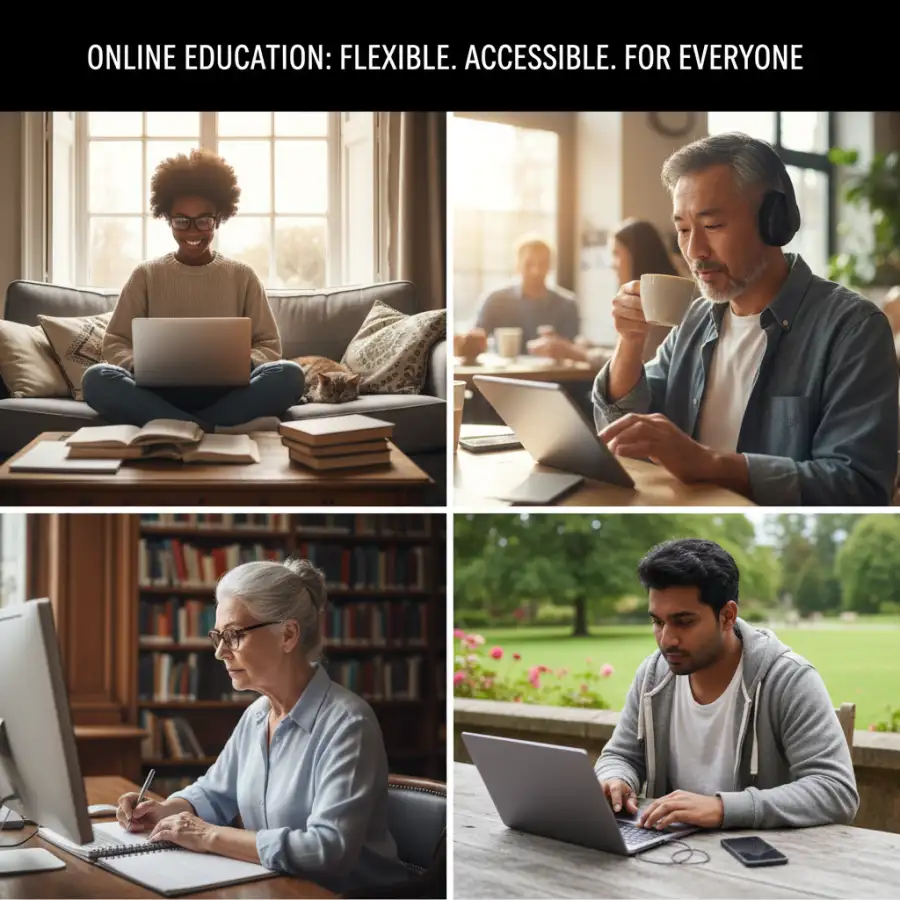
You can now pursue higher education without the burden of debt. But are free online degrees too good to be true?
Online learning offers many options for education without tuition fees. But you must be careful and skeptical.
This guide examines free online degrees. It helps you find real opportunities and avoid misleading offers.
Getting a college degree is a big investment of time and money. The cost of tuition, fees, and living expenses stops many people from going to college. However, online learning has created new chances, including the possibility of a free college degree. But what does "free" mean? Can you get a real, accredited degree without paying tuition? This guide explores free online degrees. It looks at different models, pros, cons, and how to find real opportunities.
Quick navigation
What this means for you
A free online degree can change your life if you want higher education. It removes the financial problems that often stop people from reaching their goals. This access can create a level playing field. It offers opportunities for people from low-income backgrounds, working adults, and those wanting to improve their skills or change careers. Imagine what you could do if you didn't have to pay tuition.
Think about how it could affect your career. A degree can open up new job opportunities, increase your earnings, and give you the credentials you need to advance professionally. A free online degree can help you achieve these goals. It can lead to a better life and more financial stability.
Free online degree programs also offer a lot of flexibility. Students can study at their own speed, on their own schedule, and from anywhere. This is helpful for those with jobs, families, or other commitments that make it hard to attend classes in person. Learning at your own pace can lead to greater satisfaction and better learning outcomes.
Types of Free Online Degree Programs
The term "free online degree" includes many models. Each has its own features. It is important to understand these types to find the best fit for you. Here are some common types:
- Open Educational Resources (OER) based programs: These programs use open educational resources. These are available online for free. Universities or organizations often offer the courses to provide accessible education. However, there may be fees for assessments, proctored exams, or degree certification, even if the course materials are free.
- Tuition-Free Universities: Some universities offer completely tuition-free degree programs. They get funding from endowments, government grants, or donations. Getting into these programs can be very competitive.
- MOOC-Based Degrees: Massive Open Online Courses (MOOCs) give you access to courses from top universities. Some universities now offer full degree programs through MOOC platforms. While the individual courses may be free to audit, there is usually a fee for verified certificates and degree programs.
- Scholarships and Grants: Students can use scholarships and grants to pay for tuition at any college, including online programs. While these are not strictly "free," they can make a degree tuition-free.
- Employer-Sponsored Programs: Some employers offer tuition assistance or fully-funded degree programs for their employees. These programs can be a good way to earn a degree without debt.
Each option has benefits and drawbacks. Carefully review any program to understand what "free" really includes and any related costs.
Is a Free Online Degree Legitimate?
The legitimacy of a free online degree is important. Accreditation is key to determining the value of your degree. Accreditation ensures that a college or university meets certain quality standards. Without accreditation, employers might not recognize your degree. You might not be able to transfer credits to another school. So, how can you ensure a free online degree is legitimate?
First, check for accreditation. Look for accreditation from a recognized agency, like those recognized by the U.S. Department of Education or the Council for Higher Education Accreditation (CHEA). These agencies evaluate schools based on different criteria. They consider curriculum, faculty qualifications, and student support services. You can check a school's accreditation status on the CHEA or US Department of Education websites.
Also, look at the program's curriculum, faculty, and support services. Are the courses well-structured and up-to-date? Do the instructors have the right qualifications and experience? Does the school offer student support services, like advising, tutoring, and career services?
Be careful of programs that make unrealistic promises. Also, be wary of programs that are not clear about their accreditation or costs. If something seems too good to be true, it probably is. You need to research thoroughly to ensure your free online degree is legitimate and will provide the value you expect.
Risks, trade-offs, and blind spots
A free online degree is exciting, but there are risks, trade-offs, and potential blind spots to consider before you enroll. These factors can affect your education and career. What challenges should you prepare for?
One trade-off is limited resources and support. Free programs may have fewer resources than traditional, tuition-based programs. This could mean less access to academic advising, career services, or technical support. Also, the quality of instruction can vary. Many free online courses are excellent. Others may not offer the same level of engagement or personalized feedback as paid courses.
Another risk is the lack of face-to-face interaction. Online learning can be isolating. Some students may struggle with not having direct contact with instructors and classmates. You can reduce this by participating in online forums and study groups. But it's important to know about this potential challenge.
The value of a free online degree can depend on the program and the school. Some free programs may not be as well-known or respected as degrees from traditional universities. Before you commit to a program, research the school's reputation, accreditation status, and the program's career outcomes. Decide if the degree will meet your career goals and match your long-term plans.
How to Find and Evaluate Free Online Degree Programs
Finding and evaluating free online degree programs requires a plan. You must identify potential programs, research the schools, and assess their suitability for you. Where do you start?
Begin by researching online learning platforms, universities, and organizations that offer free or low-cost degree programs. Explore websites like Coursera and edX. Many universities offer their own free online courses. It is worth checking the websites of schools that interest you. Make a list of programs that match your career interests.
Next, research each program. Check the school's accreditation status and read reviews from current and former students. Research the faculty, the curriculum, and the support services. Understand what you need to complete the degree, including any costs.
Once you have narrowed down your choices, compare the programs based on your needs and goals. Consider the program's length, flexibility, course content, and career outcomes. Choose the program that fits you best. Think about your learning style and the support you need to succeed. Does the program offer the resources and support you need?
Main points
- Accreditation is Key: Always verify the accreditation status of any free online degree program. This ensures its legitimacy and acceptance by employers.
- Understand the Costs: The program itself may be tuition-free, but there could be fees for textbooks, exams, or other materials.
- Research the Institution: Investigate the reputation, faculty, and support services of the school.
- Consider Career Goals: Evaluate if the program aligns with your career goals and provides the skills and knowledge you need.
- Assess Support Systems: Check for academic advising, career services, and technical support.
- Evaluate Flexibility and Pace: Consider if the program's format and pace are compatible with your schedule and learning style.
- Be Realistic: Be careful of programs that make unrealistic promises or lack transparency about their offerings.
- Explore Employer-Sponsored Options: If applicable, explore tuition assistance programs from your employer.
Earning a free online degree can be a life-changing experience. Research thoroughly, think critically, and understand the opportunities and challenges. You can open the door to a brighter future. Explore your options, evaluate your goals, and make informed choices to increase your chances of success. Are you ready to discover tuition-free higher education?