

A Comprehensive Guide to Identity and Access Management (IAM)
Understanding IAM and its Importance in a Cloud Environment
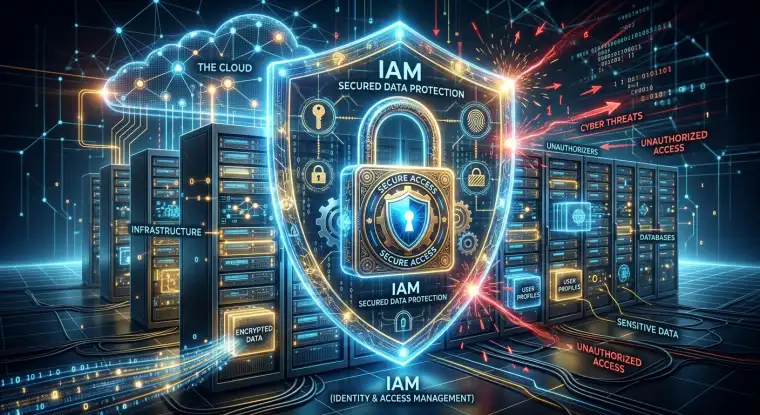
Securing digital identities is essential. Identity and Access Management (IAM) is the foundation of this security.
IAM ensures the right people have the correct access to resources at the right time. It prevents unauthorized access and data breaches.
This guide explains the core concepts of IAM, its architecture, and its role in protecting cloud environments.
Identity and Access Management (IAM) is necessary for organizations operating in the cloud. Robust IAM practices are essential to protect sensitive data and ensure operations. This guide explains the core components of IAM and why it is critical for cloud security.
Understanding IAM is essential in modern IT environments. IAM provides a structured approach to managing digital identities and access rights. This guide provides a detailed overview of IAM, from its principles to practical applications in cloud security.
Quick navigation
What this means for you
IAM affects all parts of an organization, from IT administrators to end-users. Implementing robust IAM practices can reduce security risks, improve efficiency, and ensure compliance. For IT administrators, it means streamlined access management and less administrative work. For end-users, it means a secure and seamless experience, allowing them to access resources without issues. For businesses, effective IAM is key to reduce breaches and meet compliance standards.
Core IAM Concepts
Several concepts are key to effective IAM. Understanding these is crucial. These concepts include:
- Authentication: Verifying a user or device's identity. This usually involves credentials like usernames and passwords. It can also include multi-factor authentication (MFA) methods like biometrics or one-time codes.
- Authorization: Determining what resources a user or device can access after they are authenticated. Authorization is managed through access control policies.
- Identity lifecycle management: Managing the creation, modification, and termination of digital identities. This includes onboarding new users, updating user attributes, and offboarding departing employees.
- Access control: Defining and enforcing policies that control which users or devices can access specific resources. Common access control models include Role-Based Access Control (RBAC) and Attribute-Based Access Control (ABAC).
- Privileged access management (PAM): Managing privileged accounts (e.g., administrator accounts) and protecting them from misuse.
IAM Architecture and Components
A typical IAM architecture includes several key components. These components include:
- Identity repository: A central store for user identities and attributes. Examples include Active Directory, LDAP directories, and cloud-based identity providers.
- Authentication services: Services that verify user identities. This can include password authentication, multi-factor authentication (MFA), and single sign-on (SSO) technologies.
- Authorization services: Services that enforce access control policies. These services determine if a user is authorized to access a specific resource based on their identity, role, and other attributes.
- Access management tools: Tools that allow administrators to manage user access, define access policies, and monitor access activities.
- Directory services: Systems for storing and managing user and resource information, enabling efficient retrieval and management of identity data.
- Governance, risk, and compliance (GRC) tools: Tools used to monitor and audit access activities, ensuring compliance.
These components work together to manage identities and access rights. A well-designed IAM architecture ensures that the right people have the right access to the right resources. This reduces security risks and improves efficiency.
IAM in Cloud Environments
Cloud environments have unique challenges and opportunities for IAM. Cloud IAM solutions must integrate with cloud service providers (CSPs). Cloud IAM typically involves:
- Cloud identity providers: Services like Azure Active Directory, AWS IAM, and Google Cloud Identity. These manage user identities and access in the cloud environment.
- Role-Based Access Control (RBAC): Granting users access based on their roles and responsibilities.
- Multi-Factor Authentication (MFA): Ensuring that only authorized users can access cloud resources, even if their credentials are compromised.
- Identity federation: Allowing users to access cloud resources using their existing on-premises identities.
- API access management: Securing access to APIs and other cloud-based services.
Effective cloud IAM is essential for securing sensitive data and applications in the cloud. By implementing IAM practices, organizations can reduce the risk of data breaches, ensure compliance, and streamline cloud operations.
Risks, trade-offs, and blind spots
IAM offers benefits, but there are also risks, trade-offs, and potential blind spots. Organizations need to be aware of these factors to implement effective IAM solutions:
- Complexity: IAM systems can be complex to design, implement, and maintain. Improper configuration can lead to vulnerabilities and inefficiencies.
- Integration challenges: Integrating IAM systems with existing infrastructure and applications can be challenging, particularly in different environments.
- Cost: Implementing and maintaining IAM solutions can be expensive, requiring investments in software, hardware, and personnel.
- Vendor lock-in: Some IAM solutions may lead to vendor lock-in, making it difficult to switch to a different provider.
- Compliance requirements: IAM solutions must meet complex compliance requirements. Failure to do so can result in penalties.
Industry Standards and Best Practices
Several standards and practices guide the implementation of IAM solutions. Following these standards helps organizations establish secure IAM practices:
- CISA Guidance: The Cybersecurity and Infrastructure Security Agency (CISA) provides guidance on implementing secure IAM practices. This includes recommendations for multi-factor authentication, privileged access management, and continuous monitoring.
- NIST Standards: The National Institute of Standards and Technology (NIST) publishes detailed guidelines for IAM. These cover topics like identity proofing, authentication, authorization, and federation.
- ISO 27001: This international standard for information security management provides a framework for managing IAM and other security controls.
- Least Privilege: Granting users only the minimum access needed to do their job. This minimizes the impact of a security breach.
- Regular Access Reviews: Regularly reviewing user access rights to ensure they are appropriate.
- Multi-Factor Authentication (MFA): Implementing MFA to add an extra layer of security. This makes it harder for attackers to gain access.
By following these standards and practices, organizations can improve their IAM and reduce their exposure to cyber threats.
Main points
Identity and Access Management is a critical part of any modern cybersecurity strategy. By understanding the concepts, architecture, and practices of IAM, organizations can protect their data and systems.
- IAM is essential for securing digital identities, ensuring only authorized users access resources.
- Core IAM concepts include authentication, authorization, identity lifecycle management, access control, and privileged access management.
- IAM architecture includes components like identity repositories, authentication services, and access management tools.
- Cloud environments need specific IAM considerations, including cloud identity providers and role-based access control.
- Risks associated with IAM include complexity, integration challenges, and vendor lock-in.
- Standards like CISA guidance and NIST standards provide best practices for IAM implementation.
- Implementing least privilege and conducting regular access reviews are essential security practices.
- Multi-factor authentication (MFA) is a key security measure to protect against unauthorized access.
Investing in a robust IAM solution can reduce risks, improve efficiency, and ensure compliance. Implement the practices above to protect your environment today!