

Hackers Love This Common Cloud: Cybersecurity Vulnerabilities and How to Protect Yourself
A guide to understanding and mitigating cloud-based threats.
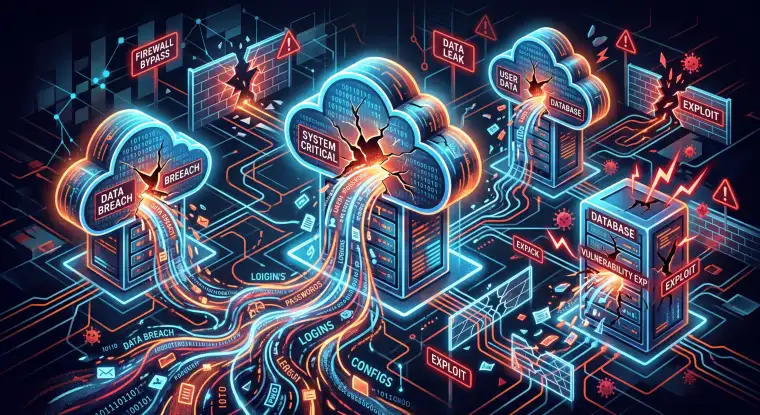
The cloud is everywhere in the digital world, but it is also a main target. Cybercriminals are always changing their methods. The cloud offers many chances for bad activity.
Knowing the weaknesses is the first step in protecting your data and systems. This guide will help you understand cloud security. It shows you the most common ways hackers attack and how to make your defenses stronger.
Get ready to learn about hidden threats and how to protect yourself. Data security in the future depends on your awareness.
The cloud is a common term today. It offers great ways to grow, be accessed, and save money. But, its wide use has also made it a target for hackers. Cloud environments have many benefits, but they also create new security problems. This guide explains the common cloud weaknesses that hackers use. It gives you the knowledge to protect your data and systems.
Quick navigation
Common Cloud Vulnerabilities
Cloud environments are complex. They involve many layers and parts. This complexity creates weaknesses that hackers can use. Some of the most common are:
Weak Access Controls: Not having good ways to check who is allowed to access things leaves cloud resources open. Hackers often target weak passwords, systems that have not been updated, and not using enough multi-factor authentication (MFA).
Lack of Visibility and Monitoring: Without good monitoring tools and alerts, organizations may not find bad activity quickly. This slow detection lets hackers work without being found for a long time.
API Vulnerabilities: Cloud services depend on APIs (Application Programming Interfaces). Problems in these APIs can be used to get access without permission, change data, or start denial-of-service (DoS) attacks.
Malware and Ransomware: Cloud environments are not safe from malware. Hackers often use ransomware and other bad software to lock data and demand money. Cloud storage that is not well secured and not having good protection can help malware spread.
Unsecured Data Storage: Cloud storage services that are set up wrong, like S3 buckets that anyone can see, can cause data leaks and breaches. Encryption and access controls are important for keeping important data safe.
Is it possible to secure every entry point in a cloud environment? The answer is to have a security plan with many layers.
The Human Factor: Social Engineering and Phishing
Hackers often use people to get into cloud resources, even though there are technical weaknesses. Social engineering and phishing attacks work well because they use human trust and behavior. Here is how it works:
Phishing Attacks: Hackers send emails or messages that seem to be from real organizations. These messages often have bad links or attachments. If you click on them, they can steal your login information, install malware, or send you to fake login pages. The goal is to trick you into giving away important information like usernames, passwords, and financial details.
Spear Phishing: This is a more focused type of phishing. Hackers collect personal information about their targets to make their attacks seem real. They may research people or organizations to write personalized emails that look like they came from trusted sources.
Social Engineering Tactics: Hackers may pretend to be IT support staff, executives, or other people you trust to trick you into giving them access to systems or sharing important data. This can involve phone calls, texts, or face-to-face talks.
How can you protect your organization from these threats? Education and awareness are important. Train employees to see and report suspicious activity.
Misconfigurations: The Silent Threat
Misconfigurations are some of the most common causes of cloud security breaches. These mistakes come from human errors, not enough automation, or not understanding cloud services. Here is a closer look:
Insecure Storage Configurations: Many cloud storage services have settings that make data public by default. If you do not change these settings, it can lead to data leaks and breaches. You must set them up correctly, including encryption and access controls.
Weak Network Segmentation: If you do not divide cloud networks correctly, hackers can move around and access many systems once they get in. Strong network segmentation limits the damage from a breach.
Unpatched Systems: If you do not update security patches on cloud infrastructure and applications, systems will be open to known attacks. Updating regularly is a key security practice.
Over-Privileged Accounts: Giving users too much access increases the risk of unauthorized activity. Use the principle of least privilege, where users only get the access they need, to reduce this risk.
How can you stay ahead of misconfigurations, given the constant changes in cloud services?
Data Breaches and Insider Threats
Data breaches can cause big problems, like financial losses, damage to your reputation, and legal issues. Insider threats also pose a big risk to cloud security. Let's look at these areas.
Data Breaches: Data breaches happen when important information is accessed or shared without permission. Hackers may target customer data, financial records, intellectual property, and other private information. Cloud environments, with their ability to store vast amounts of data, are attractive targets for data breaches.
Insider Threats: Insider threats come from people within an organization who can access important data and systems. These threats can be on purpose or by accident. Bad insiders may steal data or damage systems. Careless insiders may accidentally share data through bad security practices.
Supply Chain Attacks: Cloud environments often rely on vendors and services from other companies. Hackers may target these third parties to get into the cloud environment. Supply chain attacks can be hard to find and stop because they involve weaknesses outside of the organization's control.
How can organizations reduce the risks of data breaches and insider threats? This needs a plan with many parts, including strong security rules, employee training, and continuous monitoring.
What this means for you
It is important for anyone who uses or manages cloud services to understand cloud weaknesses and potential threats. Whether you are an individual user, a business owner, or an IT professional, you need to know the risks and take steps to protect your data.
For Individuals: Use strong, unique passwords for all your online accounts. Turn on multi-factor authentication (MFA) whenever possible. Be careful about clicking links or opening attachments from unknown sources. Check your privacy settings often and only share personal information on secure websites.
For Businesses: Have strong security policies. Do regular security audits. Train all employees to be aware of security. Use encryption to protect important data. Back up your data often. Think about using a cloud security solution to watch and manage your cloud environment.
For IT Professionals: Stay up-to-date on the latest cloud security threats and best practices. Use strong access controls. Patch and update your systems regularly. Use monitoring tools to find and respond to security incidents. Think about getting cloud security certifications to improve your skills and knowledge.
Risks, trade-offs, and blind spots
Cloud security involves making hard choices and balancing different things. Understanding the risks, trade-offs, and possible blind spots is key to making good choices.
Risk vs. Convenience: The cloud offers great convenience, but this often means more security risks. Balancing the benefits of the cloud with the need for strong security is a constant challenge. Organizations must carefully look at the risks and use the right security measures.
Cost vs. Security: Implementing strong cloud security measures can be expensive. This requires spending on security tools, people, and training. However, the cost of a security breach can be much higher. Organizations must carefully weigh the costs and benefits of different security options.
Visibility and Control: Cloud environments give you less direct control and visibility than on-premise infrastructure. Organizations must depend on cloud providers for some security aspects. This lack of control can create blind spots and make it hard to find and respond to security incidents. Learn more about the trade-offs involved.
Vendor Lock-in: If you rely on only one cloud provider, it can lead to vendor lock-in. It becomes hard and expensive to switch providers. This can limit your flexibility and negotiating power. Organizations should consider using multiple clouds to avoid vendor lock-in.
Main points
You need a proactive and complete approach to protect your cloud environment. Here are the key things to remember:
- Understand the common cloud weaknesses, like weak access controls, API problems, and misconfigurations.
- Be aware of social engineering and phishing attacks. Teach employees to see and report suspicious activity.
- Use strong access controls, including strong passwords and multi-factor authentication.
- Update and patch your systems and applications regularly.
- Use encryption to protect important data.
- Use strong network segmentation and monitoring tools.
- Do regular security audits and penetration tests.
- Train all employees to be aware of security.
- Think about using a cloud security solution to watch and manage your cloud environment.
Cloud security is not a final goal. It is something you always work on. You can greatly lower your risk by staying informed about the latest threats and using strong security practices. Take action today to protect your important data and systems.