

Online College Degree Risks: What You Need to Know
A guide to understanding the challenges and ensuring your online education investment pays off.
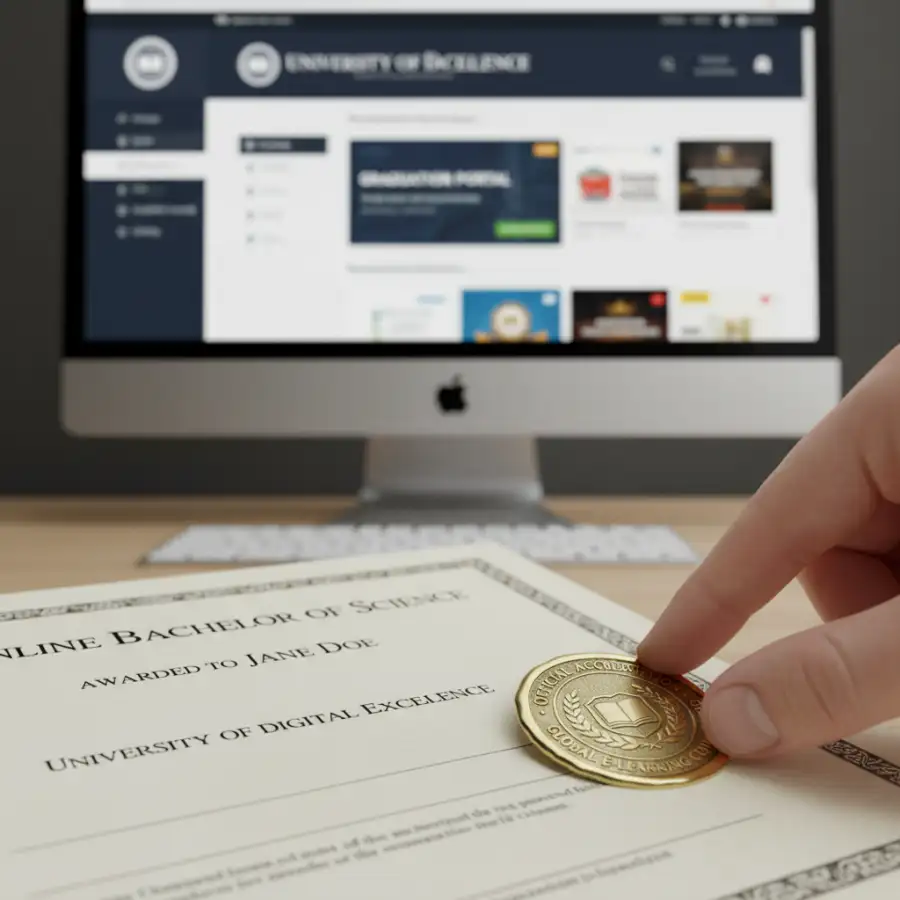
An online college degree offers flexibility, affordability, and a better future. But you must be aware of the facts before you enroll.
Not all online programs are equal. The risks of a wrong choice can be serious. You could waste time and money, or get a degree that is worthless.
This guide helps you understand online education. You can make informed choices and protect your investment in your future.
Online education has grown quickly. It gives you access to higher learning. You also need to be careful. The online college degree world has risks. You must understand them. This guide shows you what to consider before getting an online degree. It helps you make good choices and avoid common problems. We will explore the key factors that can make or break your online education. These include accreditation and program quality.
Quick navigation
What to look for in accreditation
Accreditation is key to a real online college degree. An agency checks a school's quality based on rules. You should focus on accreditation when choosing an online program. There are two main types: regional and national. Regional accreditation is often better. Traditional universities often prefer it. National accreditation often goes with career-focused programs. Both are valid. It is important to know the differences.
Accreditation makes sure the program meets quality standards. It affects credit transfers and eligibility for federal financial aid. Your degree may not be recognized by employers or other schools without accreditation. The U.S. Department of Education and the Council for Higher Education Accreditation (CHEA) help you check a school's accreditation. They list recognized accrediting agencies.
Consider a school's accreditation history. Has it kept accreditation for a long time? Does the accrediting agency have a good reputation? Researching the agency is as important as checking the school's accreditation. Some agencies have stricter rules. These can affect your degree's value. Check the agency's website for warnings against the school. Also, see if the program itself is accredited. Some programs have special accreditation for their field of study.
What this means for you
Choosing an accredited online program helps your career and education goals. Employers and other schools will likely accept an accredited degree if you want more education. This can help you get a job. Employers often want people with degrees from accredited schools. Accreditation also allows you to get professional licenses or certifications. You may need these for certain jobs. This is true in healthcare, education, and engineering. You may not get the necessary licenses without an accredited degree.
Accredited programs often have better education quality. Agencies require schools to meet strict standards for curriculum, faculty, and student support. This can make your learning experience better. Accreditation also lets you transfer credits to other accredited schools if needed. This is useful if you change programs or want a higher degree. Accreditation protects your education investment. It ensures your degree has value and prepares you for your career. Think about this.
Identifying legitimate online programs
You must research programs to find legitimate ones. Start by checking the school's accreditation status. Use the U.S. Department of Education or CHEA websites. Make sure the agency is recognized. Look for the school's address and contact information. Real schools are clear about their location and how to contact them. Be careful of schools that only have a virtual presence or unclear contact details.
Investigate the school's faculty. Are they qualified and experienced? Review their credentials and publications. Check for reviews from current and former students. What do they say about the program, faculty, and support? Be careful of schools that make big claims or promise quick degrees. If something seems too good, it is likely false. A good school will give you realistic expectations. It will be honest about the program's requirements and challenges. Also, check for partnerships with known universities or colleges. These can show a program is legitimate.
Consider the cost and financial aid. Real schools give clear information about tuition and fees, and financial aid. Be careful of schools with high tuition or hidden fees. Make sure the school offers federal financial aid. This can show it is legitimate. Always review the rules of financial aid or loans. You can read about online school programs to learn more.
Risks, trade-offs, and blind spots
Choosing an online degree program has risks. A degree from an unaccredited school may not be recognized. Employers or universities might not accept it. Another risk is the lack of face-to-face interaction. This can make it hard to build networking skills. Online programs offer flexibility. They also require discipline and self-motivation. You may struggle to finish your studies without good time management. You may miss social events and chances to connect with students without a physical campus.
Trade-offs also exist. Online programs can be more affordable. But they may not offer the same support as traditional schools. Make sure you have academic advising, technical support, and career counseling. You may have to choose between convenience and quality. So, research the program's curriculum and faculty. Some online programs may have limited resources or outdated materials. Not all programs are equal. You may miss practical experience or hands-on training from traditional programs. Consider how you learn. Decide if the online format suits your needs. Are you ready to take on the challenge?
The impact of unaccredited degrees
Getting an unaccredited degree can have bad results. Employers may not recognize a degree from an unaccredited school. This can hurt your job chances. You might have trouble transferring credits to other schools for more education. An unaccredited degree may not qualify you for professional licenses. This can limit your job options. You might not be able to get federal financial aid or other funding. This can affect your education funding.
An unaccredited degree can damage your reputation. Employers may doubt these degrees. You risk wasting time and money on a degree with little value. Always check a program's accreditation before you enroll. An unaccredited degree may not offer the same education quality as an accredited program. Consider the long-term impact on your career and education goals.
Main points
- Verify Accreditation: Always check for accreditation from a recognized agency before enrolling in an online program.
- Understand the Types of Accreditation: Know the difference between regional and national accreditation and which is most appropriate for your goals.
- Research the School: Investigate the school's reputation, faculty, and student reviews.
- Check for Transparency: Legitimate schools provide clear contact information and are transparent about their programs and costs.
- Assess Program Quality: Evaluate the curriculum, support services, and whether the program meets your learning needs.
- Be Realistic: Understand the commitment required for online learning and the potential challenges.
- Consider the Long-Term Impact: Assess how the degree will impact your career and further educational goals.
- Review Financial Aid Options: Ensure the school is eligible for federal financial aid if needed and understand the terms.
Choosing an online college degree is a big decision. You can increase your chances of success by understanding the risks, researching your choices, and checking accreditation. Take time to make informed choices. You will thank yourself!