

The Education Content Driving Cybersecurity: A Comprehensive Guide
Equipping Individuals and Organizations for Digital Safety
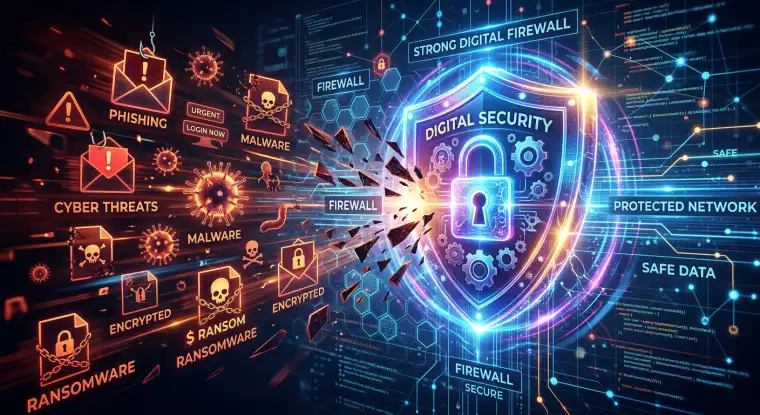
In today's interconnected world, cybersecurity is no longer just an IT issue. It is a fundamental concern for everyone. Are you prepared to navigate the digital landscape safely?
From phishing scams to ransomware attacks, the threats constantly change. This guide gives you the knowledge and resources to create strong cybersecurity awareness programs.
Learn how to educate employees, students, and yourself. Build a culture of vigilance and resilience against cyber threats.
The digital age offers convenience and connection. It also opens the door to many cyber threats. Protecting important information and systems needs a proactive approach. Cybersecurity education is at the heart of this approach. This guide explains the key parts of creating effective educational content. It focuses on best practices, program examples, and downloadable resources. Use them to educate your team or yourself.
This guide gives you the tools and insights to develop and use successful cybersecurity awareness programs. Whether you are an IT professional, a business owner, or someone who wants to be safer online, you can benefit. We will explore content creation, delivery methods, and how to measure your efforts. Let's start!
Quick navigation
- Understanding the Need for Cybersecurity Education
- Crafting Effective Cybersecurity Content
- Delivery Methods and Program Formats
- Cybersecurity Awareness Programs for Employees
- Cybersecurity Education for Students
- Measuring the Impact of Your Education
- What this means for you
- Risks, trade-offs, and blind spots
- Main points
Understanding the Need for Cybersecurity Education
Why is cybersecurity education so important? The threat landscape is changing. Cyberattacks are more sophisticated and frequent. They target individuals, businesses, and government organizations. People are vulnerable to phishing scams, malware, and social engineering without training. What are the true costs of a data breach? They include financial losses, damage to reputation, and legal issues.
Cybersecurity education fills this gap. It gives people the knowledge and skills to identify and respond to threats. Organizations can reduce their risk by creating a culture of awareness. It also helps create a more resilient digital environment. People are better equipped to protect themselves and their data. This includes understanding the latest threats, recognizing suspicious activities, and knowing how to report security incidents.
Crafting Effective Cybersecurity Content
Creating engaging and informative content is key to a successful cybersecurity education program. Where do you start? Understand your target audience first. Tailor your content to their needs, roles, and technical expertise. Content for a CEO is different from content for a new employee. Does your content relate to their daily activities?
Here are some best practices for content creation:
- Keep it concise and clear: Avoid technical jargon. Use plain language.
- Focus on practical examples: Provide real-world scenarios and case studies.
- Use a variety of formats: Include videos, infographics, quizzes, and interactive simulations.
- Make it visually appealing: Use images, charts, and graphs to illustrate key concepts.
- Update regularly: Cybersecurity threats change quickly, so keep your content current.
Delivery Methods and Program Formats
How do you deliver this valuable cybersecurity content? The delivery method is as important as the content. There are many ways to reach your audience. Each has advantages. Which option is best for your audience?
Consider these popular program formats:
- Online training modules: These are self-paced, interactive courses. You can access them anytime, anywhere.
- In-person workshops: These provide a more interactive and collaborative learning experience.
- Lunch-and-learn sessions: These are brief, informal presentations during lunchtime.
- Simulated phishing campaigns: These test employee awareness and provide real-world training.
- Gamified training: This makes learning fun and engaging through quizzes and competitions.
Cybersecurity Awareness Programs for Employees
Implementing a comprehensive cybersecurity awareness program for employees is essential for protecting your organization. What are the key elements of such a program? Start with a risk assessment. Identify your organization's vulnerabilities. Tailor your program accordingly. Then, create a training schedule that includes regular, ongoing education. How can you measure engagement with the program?
Here's a sample program framework:
- Onboarding training: Introduce new employees to your security policies and procedures.
- Annual refresher training: Reinforce key concepts and update employees on the latest threats.
- Phishing simulations: Test employee awareness and identify areas for improvement.
- Policy updates: Regularly communicate changes to security policies and procedures.
- Reporting mechanisms: Provide clear instructions on how to report security incidents.
Cybersecurity Education for Students
Educating students about cybersecurity is crucial. It prepares them for the digital world. What is the best way to get students engaged? Students often adopt technology early. They spend a lot of time online. They are prime targets for cyberattacks.
Educational programs for students should cover these topics:
- Online safety: Teach students about safe browsing habits, password security, and protecting personal information.
- Cyberbullying: Educate students about the dangers of cyberbullying. Teach them how to report incidents.
- Social media awareness: Help students understand the risks of social media. Teach them how to protect their privacy.
- Critical thinking: Teach students how to identify and avoid phishing scams and other online threats.
- Digital citizenship: Promote responsible online behavior and ethical digital practices.
Measuring the Impact of Your Education
How do you know if your cybersecurity education efforts are effective? Measuring the impact of your program is important for continuous improvement. What metrics should you track? You can use several metrics to assess the effectiveness of your training.
Consider these key metrics:
- Phishing click rates: Track the percentage of employees who click on phishing emails.
- Incident reports: Monitor the number of security incidents reported by employees.
- Policy compliance: Assess employee adherence to security policies and procedures.
- Training completion rates: Track the percentage of employees who complete training modules.
- Employee surveys: Gather feedback on the effectiveness of your training programs.
What this means for you
Cybersecurity education is not optional. It is a necessity. By investing in the right content and delivery methods, you can help yourself or your team navigate the digital world safely. Are you ready to take the first step towards a more secure digital future?
Building a strong cybersecurity awareness program protects your data, assets, and reputation. It is an ongoing process. It needs constant attention and adaptation. The benefits are greater than the investment. Make it a priority to stay informed about the latest threats and best practices. Consider the resources offered by universities offering cybersecurity programs for additional content.
Risks, trade-offs, and blind spots
Cybersecurity education is important. There are also potential risks and trade-offs to consider. What are the common problems in cybersecurity education? One potential blind spot is relying too much on technical solutions. You must also address the human element.
Here are some potential risks and how to address them:
- Information overload: Avoid giving your audience too much information. Focus on the most important threats and best practices.
- Lack of engagement: Make your content engaging and interactive. Use a variety of formats and delivery methods.
- Outdated content: Regularly update your content to reflect the latest threats and vulnerabilities.
- One-size-fits-all approach: Tailor your content to your target audience's needs and roles.
- Insufficient funding: Prioritize resources for cybersecurity education to ensure its effectiveness.
Main points
Cybersecurity education is an ongoing process. It needs careful planning and execution. What are the main takeaways from this guide? You can greatly improve your cybersecurity by using these key points.
- Understand the threats: Stay informed about the latest cyber threats and vulnerabilities.
- Know your audience: Tailor your content to your target audience's needs.
- Use diverse delivery methods: Use different formats to engage your audience.
- Prioritize employee training: Implement programs for employees.
- Educate students: Prepare students for a safe and responsible digital life.
- Measure your impact: Track key metrics to assess your programs' effectiveness.
- Stay updated: Regularly update your knowledge and programs to stay ahead of threats.
- Foster a culture of security: Encourage vigilance and responsible online behavior in your organization or community.
Cybersecurity education helps you create a safer and more resilient digital environment. Use these strategies, and you will be better equipped to protect yourself and others from cyber threats.