

Why Ignoring Cybersecurity Skills Can Cripple Your Future
Understanding the cybersecurity skills gap and its impact
In a world that depends on technology, cybersecurity is essential.
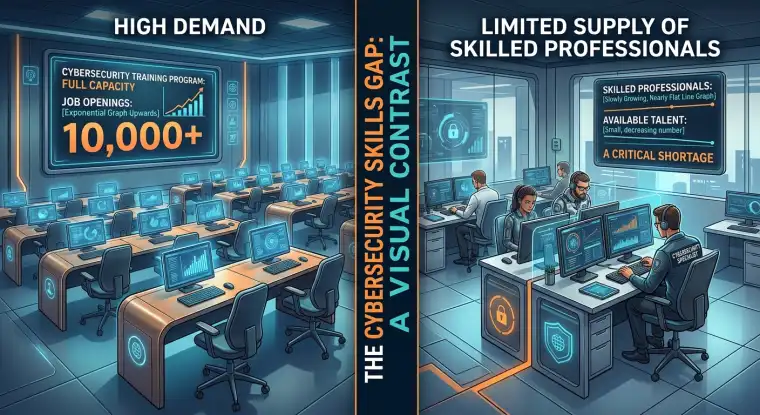
The need for cybersecurity experts is growing. The number of qualified people is not. This creates risks for both people and businesses.
This guide explains why you need cybersecurity skills. Ignoring this area could hurt your future.
The digital age offers convenience and connection. It also opens the door to cyber threats. The risks are real and always changing. The demand for cybersecurity experts is increasing. However, there are not enough qualified people. This is the cybersecurity skills gap. It is a problem for businesses, governments, and individuals. This article will help you understand why this gap exists. It will also explain how it could affect you.
This article will explore the cybersecurity skills gap. It will look at the causes, the effects on different groups, and ways to handle this changing situation.
Quick navigation
What this means for you
The cybersecurity skills gap affects everyone. A lack of skills can make you vulnerable to cyberattacks. This can lead to financial loss, identity theft, and damage to your reputation. Businesses can face data breaches, operational problems, legal issues, and harm to their reputation. The skills shortage makes it harder for organizations to protect themselves. What specific challenges does this create? How are individuals and companies affected?
For individuals, you are more likely to be a victim of cybercrime. This could include phishing scams, malware, or attacks to steal your information or money. Without cybersecurity knowledge, you are less able to recognize threats, protect your data, and respond to incidents.
For businesses, the skills gap increases the risk of cyberattacks. Companies struggle to find and keep qualified cybersecurity professionals. This can lead to these problems:
- Data Breaches: Losing customer data, intellectual property, and other assets.
- Operational Disruptions: Cyberattacks can stop business operations. This causes downtime, lost productivity, and financial losses.
- Regulatory Penalties: Not following data privacy rules can lead to fines and legal penalties.
- Reputational Damage: A security breach can damage a company's reputation. This leads to a loss of customer trust and business.
The cybersecurity skills gap increases risks for everyone. You and organizations must address this challenge.
Risks, trade-offs, and blind spots
Ignoring cybersecurity skills has many risks. What are the possible consequences? Are there any hidden drawbacks?
Financial Losses: Cyberattacks can cause significant financial losses. These include the cost of data recovery, legal fees, and penalties. Companies can also face operational disruptions that impact revenue. Individuals might suffer identity theft or loss of money.
Reputational Damage: A security breach can severely damage a company's reputation. This leads to a loss of customer trust and potential business. People who are victims of cybercrime may face social and professional consequences.
Legal and Regulatory Issues: Businesses must follow data privacy regulations. Not protecting data can lead to legal action and fines. You may face legal issues if you are a victim of cybercrime.
Increased Vulnerability: Without cybersecurity skills, you and organizations become more vulnerable to cyber threats. Hackers and criminals are always creating new tactics. Ignoring cybersecurity skills leaves you open to these risks.
One trade-off is the use of resources. Businesses must decide whether to invest in cybersecurity or use resources elsewhere. Hiring and training cybersecurity professionals, implementing security measures, and responding to incidents can be costly. Many organizations focus on the most common threats. They ignore the more advanced attacks. This means you may miss sophisticated attacks, which can have bad results. The blind spot is underestimating the impact of a successful cyberattack.
Main points
The cybersecurity skills gap is a complex problem. Here are some key points:
- The cybersecurity skills gap is growing. There is a shortage of qualified professionals.
- Ignoring cybersecurity skills leaves you and organizations vulnerable to cyberattacks.
- Financial losses, reputational damage, and legal penalties are potential consequences.
- Businesses face operational disruptions, data breaches, and non-compliance risks.
- You must protect yourself with better awareness and understanding of threats.
- Take action to address the skills gap and reduce risks.
- Invest in training, education, and cybersecurity solutions. This is important for building a strong defense.
- Businesses, schools, and the government must work together to solve this challenge.
Take a proactive approach to cybersecurity. Educate yourself, use security measures, and stay informed about the latest threats. Consider a career in cybersecurity. Help close the skills gap and protect our digital world. Start by exploring resources like Navigating the Digital Campus to learn more.