

Why Your Company Is Not Secure: A Comprehensive Guide
Understanding and mitigating the threats to your business.
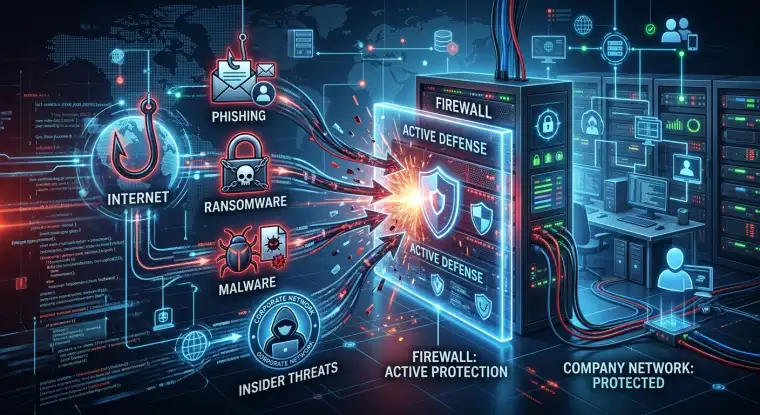
Is your company truly safe from cyberattacks? The digital world changes constantly, and so do the threats.
From data breaches to ransomware, the risks are real. This guide helps you protect your business.
Learn how to find weaknesses and put in place security measures to protect your company's valuable assets.
Protecting your company's data and operations is more important than ever. Cyberattacks are becoming more advanced. You also rely more on digital systems. This creates a difficult environment. This guide explains why your company might not be secure and what you can do. It covers security basics, common threats, and the challenges of staying secure. You will get practical information to help you improve your company's security.
Quick navigation
The 5 P's of Cybersecurity
To see why your company might be at risk, you need to know the basic ideas of cybersecurity. Think of these as the 5 P's: People, Processes, Policies, Protection, and Posture. Each one is important for a strong security system. Are you using all of them well?
People: This includes your employees, contractors, and anyone who can access your systems. They are often the weakest point. This makes them a target for social engineering attacks.
Processes: These are the steps and procedures for managing data, systems, and security problems. Good processes help to make security practices standard. This also reduces the risk of human error.
Policies: These are the rules and guidelines for your company's security practices. Good security policies set expectations, make sure you follow the rules, and provide a plan for handling problems.
Protection: This includes the technical steps you take to protect your systems and data. Examples include firewalls, antivirus software, and intrusion detection systems.
Posture: Your security posture is the overall state of your security. It shows how well you use the other four P's. It also shows how well you watch and change your security measures.
Common Security Threats Facing Businesses
What are the most likely threats to your company? Many kinds of attacks can hurt your data and operations. Understanding these threats is the first step in stopping them. Are you aware of the different types of attacks that could affect your business?
Malware: This includes viruses, worms, and Trojans that can infect your systems. They can steal data or stop your operations. Malware often comes from phishing emails or bad websites.
Phishing: Cybercriminals use phishing to trick people into giving away sensitive information. This includes usernames, passwords, and financial details. Phishing attacks can come in many forms, like emails, texts, and phone calls.
Ransomware: This type of malware encrypts your data. It then demands money to restore access. Ransomware attacks are becoming more common and can be very damaging to businesses.
Data Breaches: These happen when sensitive information is stolen or exposed. This is often due to weaknesses in your systems or security practices. Data breaches can cause major financial losses, damage your reputation, and lead to legal penalties.
Insider Threats: These threats come from people inside your company. They may intentionally or unintentionally harm your security. This can include angry employees, mistakes, or malicious insiders.
Supply Chain Attacks: These attacks target your company through third-party vendors or partners. Cybercriminals use weaknesses in your supply chain to access your systems or data.
Why Companies Struggle with Security
Even when they try hard, many companies have trouble staying secure. What causes these weaknesses?
Lack of Awareness: Many employees do not know about the latest security threats and best practices. This makes them vulnerable to attacks.
Insufficient Budget: Security measures can be expensive. Some companies do not spend enough on their security systems.
Outdated Systems: Using old software and hardware can create weaknesses that cybercriminals can use.
Poor Password Management: Weak passwords and using the same password for multiple accounts increase the risk of a breach.
Failure to Update Software: Not installing security updates and patches can leave your systems open to known weaknesses.
Inadequate Training: Not training employees can lead to human error. This increases the risk of successful attacks.
Ignoring Third-Party Risks: Companies often overlook the security risks from third-party vendors and partners.
What this means for you
So, what does all of this mean for your company? Not dealing with these security issues can have serious consequences. Are you ready for the possible effects of a security breach?
Financial Losses: Security breaches can lead to large financial losses. This includes the cost of investigations, fixing the problem, legal fees, and fines.
Reputational Damage: A security breach can damage your company's reputation. This reduces customer trust and hurts your brand.
Operational Disruption: Cyberattacks can disrupt your operations. This leads to downtime, lost productivity, and missed deadlines.
Legal and Regulatory Penalties: Not following data protection rules can result in large fines and legal penalties.
Loss of Competitive Advantage: A security breach can make it harder for your company to compete. It may also affect your ability to attract and keep customers.
Risks, trade-offs, and blind spots
Implementing security measures always involves trade-offs. What are some key things to keep in mind?
Complexity: Implementing and managing security measures can be complex. You need special skills and ongoing maintenance.
User Experience: Security measures, such as multi-factor authentication, can sometimes create problems for users.
Cost: Security solutions can be expensive. You will need to budget for technology, training, and maintenance.
False Sense of Security: Implementing some security measures can create a false sense of security if not done correctly.
Evolving Threats: The threat landscape is always changing. This means you must constantly update your security measures.
Lack of Visibility: Some organizations have limited visibility into their security. This makes it hard to find and respond to threats.
Building a Strong Security Culture
A strong security culture is important for reducing risks and protecting your company. How do you create and maintain such a culture?
Employee Training: Provide regular security awareness training. This teaches employees about the latest threats and best practices.
Clear Policies and Procedures: Create and enforce clear security policies and procedures. These cover all parts of your company's operations.
Strong Password Management: Enforce strong password policies. Encourage the use of password managers.
Regular Security Audits: Conduct regular security audits and vulnerability assessments. These find weaknesses and vulnerabilities.
Incident Response Plan: Create and test an incident response plan. This makes sure you can handle security incidents effectively.
Data Encryption: Encrypt sensitive data. Do this when it is being sent and when it is stored. This protects it from unauthorized access.
Multi-Factor Authentication (MFA): Use MFA. This adds an extra layer of security to your accounts and systems.
Stay Updated: Continuously monitor and update your security measures. Keep up with the latest threats.
Main points
- Understand the 5 P's: Focus on People, Processes, Policies, Protection, and Posture to build a complete security system.
- Identify Common Threats: Be aware of malware, phishing, ransomware, data breaches, insider threats, and supply chain attacks.
- Address Vulnerabilities: Find and fix weaknesses, such as lack of awareness, outdated systems, and not enough training.
- Implement Strong Security Practices: Enforce strong password policies, use multi-factor authentication, and encrypt sensitive data.
- Foster a Security Culture: Provide regular training. Promote a culture of security awareness.
- Regular Audits are Essential: Perform regular security audits and penetration testing. Find and fix vulnerabilities.
- Incident Response Planning: Create a plan. Prepare your business for a cyber incident.
- Stay Informed: Keep up with the latest security threats, trends, and technologies.
Implementing these measures may seem like a lot of work. However, not doing anything is much more costly. By taking a proactive approach to security, you can protect your company's assets. You can also ensure its continued success. For more information about financial technology, see this article on Wikipedia. If you want to learn about licensing myths, this resource may be helpful: licensing myths.